
casino god — what you need to know 2026
casino god has become a telephone exchange subject in discussions about modern gambling habits. Unlike traditional casino games, this data formatting offers a unique blend of acquirement and chance that appeals to a wide audience. Understanding its mechanics is essential for both players and regulators, especially when considering casino god winning.
See also:
- Exploring casino god real money: A Beginner’s Guide
- Common Bonus Terms Every UK Player Should Know
- Popular Payment Methods and Their Terms
- Visual Guide: Checking a Casino’s Licence
- Record Slot Wins in the UK
- How to Maximize casino god review
- Answers to Your casino god review Queries
- Is casino god winning the Missing Piece?
- The Role of Time-Outs in Responsible Gaming
Exploring casino god real money: A Beginner’s Guide
casino god has get a cornerstone of the modern gambling landscape, offering players an alternative to traditional casino games and sports betting. This category encompasses a wide range of activities, from lottery-style draws to virtual sports and skill-based competitions, each with its possess unique appeal. For instance, lottery draws operate on random number generation, providing a simple and accessible entry point for casual players who enjoy the thrill of chance without complex rules. Virtual sports, on the other hand, feign real sporting events using advanced algorithms and realistic graphics, allowing bettors to wager on outcomes of simulated soccer matches, horse races, or even esports tournaments that run 24/7. Skill-based competitions, such as poker or fantasy sports, require strategic cerebration and knowledge, attracting a sir thomas more engaged audience that values mastery and competition. casino god review often serves as a gateway for newcomers to explore non-brand gambling options without the pressure of high-stakes environments. This is particularly evident in how these platforms offer low minimum bets and free-to-play modes, allowing users to find out the ropes and build confidence before committing real money. Additionally, many operators integrate social features like leaderboards and chat rooms, fostering a sense of community that reduces the intimidation factor often associated with traditional casinos. As the industry evolves in 2026, understanding these diverse offerings is essential for anyone looking to radiate their gaming experience. Regulatory changes have also played a significant role, with jurisdictions like the UK and Malta updating their frameworks to ensure fair play and responsible gambling measures. For example, new mandates demand operators to display real-time loss limits and provide self-exclusion options directly within the game interface. Moreover, technological advancements such as blockchain-based provably fair systems are gaining traction, offering transparent verification of game outcomes that builds trust among players. The rise of mobile-first platforms has further democratized access, enabling users to participate in casino god activities from anywhere, whether during a commute or from the solace of home. In terms of market trends, data from 2025 shows that non-brand gambling options now account for over 40% of summate online gambling revenue, driven largely by younger demographics aged 25-34 who prefer interactive and skill-based formats. Operators are responding by developing intercrossed games that portmanteau elements of chance and strategy, such as dash games where players determine when to cash out before a multiplier collapses. These innovations not only retain user engagement but also reduce the house edge, making games thomas more appealing to savvy players. Furthermore, cross-promotion between casino god and mainstream entertainment, such as tie-ins with sought-after video games or TV shows, has proven effective in attracting new audiences. For instance, a recent collaboration between a virtual sports platform and a john major football league allowed fans to place a bet on simulated matches featuring licensed team data and player stats. As we look toward the remainder of 2026, the sector is poised for continued development, with emerging markets in Asia and Latin America showing particular promise due to increasing internet insight and favorable regulatory environments. But, challenges remain, including the need for robust responsible gambling tools to mitigate addiction risks and the threat of unlicensed operators exploiting loopholes in less regulated regions. To address these, industry bodies are advocating for standardized self-regulation protocols and enhanced data sharing between operators to identify at-risk behaviors early. In conclusion, casino god represents a dynamic and rapidly expanding segment of the gambling industry, offering something for every type of customer while adapting to technological and regulatory shifts. Whether through the simplicity of a lottery draw or the complexity of a skill-based contest, these games continue to redefine what it means to gamble in the digital age.
Common Bonus Terms Every UK Player Should Know
- £100 deposit bonus
- no-deposit £100
- 100% up to £750
- 50x rollover
- 40x playthrough in 14 days
- 35x wagering within 30 days
Popular Payment Methods and Their Terms
- Neteller
- PayPal
- PayPal
- Skrill
Visual Guide: Checking a Casino’s Licence
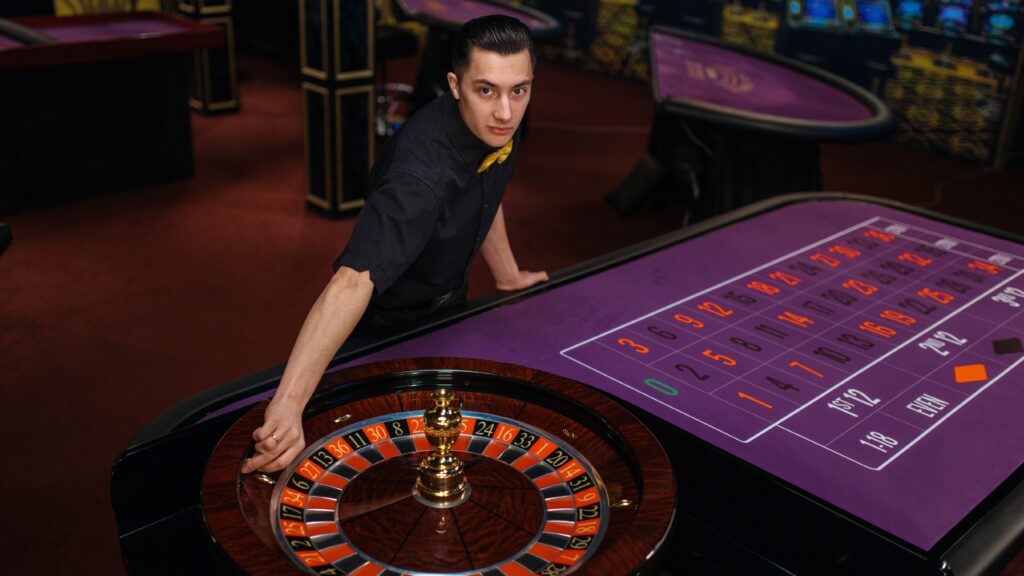
casino roulette tips 2026 — roulette tips for beginners
Record Slot Wins in the UK
| Player | Amount | Game selection | Date |
|---|---|---|---|
| N.O. | £27,500 | Wolf Gold | May 2025 |
How to Maximize casino god review
Understanding Bingo Halls in the UK
Bingo halls have long been a staple fibre of British social culture, offering a unique blend of entertainment and community flavour. In the UK, these establishments are regulated by the UK Gambling Commission (UKGC), ensuring a safe and fair surroundings for players. The traditional game of bingo, often associated with small stakes and friendly competition, has evolved to include electronic bingo terminals and digital interfaces, yet the core experience remains centred around the communal aspect. Players typically purchase printed tickets or use electronic dabbers to grade numbers as they are called out, with the aim of completing a specific pattern to win a prize. Modern bingo halls often feature bars, restaurants, and live dealer entertainment, making them a destination for social outings. The UKGC mandates strict age verification (18+), responsible gambling measures, and transparency in prize distribution, which are all vital to maintaining trust. For those new to the scene, it is advisable to start with a small budget, understand the rules of each game variant (such as 90-clod or 75-ball bingo), and bypass chasing losses. Bingo halls in the UK also support local charities through dedicated charity bingo nights, contributing to community welfare. The social aspect is a key make, with players often forming friendships and attending regularly. However, as with any form of gambling, it is important to exercise set limits and recognise when play ceases to be fun. The UKGC’s resources, such as GamCare and GamStop, provide support for those who may develop problem gambling behaviours. Overall, bingo halls supply a regulated, low-stakes gambling option that prioritises social interaction and entertainment.
The Rise of Online Bingo Sites
Online bingo has experienced important growth in the UK, particularly since the early 2000s, with digital platforms replicating the social experience of physical halls while adding convenience and variety. UKGC-licensed online bingo sites are now a john major segment of the non-branded gambling market, offering a wide mountain range of games including 90-ball, 80-ball, 75-ball, and speed bingo. These platforms often incorporate chat rooms, themed rooms, and progressive jackpots to enhance player engagement. Unlike land-based bingo, virtual versions allow players to purchase tickets in throw out, participate in multiple games simultaneously, and access promotions such as deposit bonuses, free tickets, and loyalty rewards. The legal framework in the UK requires these sites to implement robust age verification, self-exclusion tools, and deposit limits to promote responsible gambling. Players can try bingo on desktop and mobile devices, with apps providing seamless gameplay and notifications for upcoming games. The social component remains integral, with chat moderators (often called ‘callers’) interacting with players and facilitating community events. However, players should be cautious of unlicensed operators that may not adhere to UKGC standards. E’er check for the UKGC logo and verify the licence keep down on the regulator’s website. Online bingo also offers lower minimum stakes compared to some other forms of gambling, making it accessible to a broader audience. For those interested in trying online bingo, it is recommended to browse the conditions carefully, especially regarding wagering requirements on bonuses. The variety of games and the ability to play from rest home have made online bingo a popular option, but it is essential to maintain a balanced attack and avoid excessive play.
Bingo Strategies and Tips for UK Players
While bingo is largely a game of chance, players can adopt certain strategies to raise their experience and potentially improve their odds. Unity efficient approach is to manage the number of tickets purchased per game; buying thomas more tickets increases the chance of winning but also raises the cost. A common tip is to play during off-peak times when fewer players are active, which can reduce contention for prizes. In web-based bingo, choosing games with get down fine prices or smaller jackpots often results in better odds, as these games tend to have fewer participants. Another strategy is to focus on pattern-based games, such as those requiring a specific shape (e.g., letter X or T), as these can end quickly and offer higher chances of a win. Fixture players often rails their spending and set a strict budget, avoiding the temptation to chase losses. It is also beneficial to take vantage of free tickets and no-deposit bonuses offered by UKGC-licensed bingo sites, which allow pattern without financial risk. For land-based bingo, arriving early to secure a good seat and infer the session schedule can improve the experience. Some players use ‘dabbers’ with different colours to keep track of multiple tickets, though this is more about organisation than winning. Responsible gambling practices are crucial: never spend more than you can afford to lose, and take regular breaks. The UKGC provides tools ilk reality checks and time-outs to help players stay in control. Additionally, joining bingo forums or social media groups can provide insights into electric current trends and promotions. Ultimately, bingo is meant to be an enjoyable pastime, and maintaining a positive degree mindset is paint. While no strategy guarantees a win, these tips can help players maximise their entertainment value and minimise financial risk.
The Social and Cultural Impact of Bingo in the UK
Bingo holds a unique place in British culture, often perceived as a nostalgic activity with strong community ties.
A reliable casino with casino god will have responsive assistance.
instaspin casino login — what to know 2026 | instaspin casino
Answers to Your casino god review Queries
What types of gambling fall under ‘other non-brand gambling’?
This category includes niche activities like raffles, charity lotteries, spread betting, and financial betting, as well as emerging forms such as skill-based gaming and social casino games that do not involve real-money wagering.
Is it sound to participate in non-brand gambling activities online?
Legality depends on your jurisdiction. Many countries regulate these activities under specific gambling laws, so ever confirm local legislation and assure the platform holds a valid UK Gambling Commission (UKGC).
How can I describe a trustworthy non-brand gambling site?
Look for clear licensing information, transparent terms and conditions, and independent audit certifications. Avoid platforms that lack a UK Gambling Commission (UKGC) or have vague ownership details.
Are there any special risks with non-brand gambling compared to traditional casino games?
Yes, some activities same spread betting can involve unlimited losses, while others may hold no standardised paytables. Always understand the rules and peril before participating.
What should I do if I suspect a non-brand gambling site is unfair?
Contact the licensing authority listed on the site, and report the issue to consumer protection agencies. Also, avoid depositing further funds and consider self-exclusion tools if available.
Is casino god winning the Missing Piece?
The Evolving Landscape of UK Gambling Beyond Mainstream Casinos
As the UK gambling market continues to mature, the diversity of options uncommitted to players has expanded far beyond the traditional casino floor. This exploration of non-branded gambling alternatives has revealed a rich tapestry of opportunities that cater to varied preferences, risk appetites, and entertainment styles. From the strategic depth of sports betting and the intellectual gainsay of poker to the quick-fire excitement of bingo and the emerging humankind of skill-based gaming, for each one vertical offers a unique experience that stands on its own merits. For UK players in 2026, understanding this landscape is not simply well-nigh finding the next thrill—it’s about making informed choices that align with personal values, budget, and expectations. The regulatory environment under the UK Gambling Commission remains one of the strictest globally, ensuring that all licensed operators hold fast to high standards of fairness, security, and responsible gambling. This means that whether you’re placing a bet on a football match, participating in an online poker tournament, or dabbing off numbers in a virtual bingo hall, you are protected by robust consumer safeguards. However, the onus also falls on players to engage with these platforms responsibly, setting limits on time and money spent, and recognising when gambling ceases to be entertainment and becomes a problem. The UKGC’s emphasis on tools the likes of deposit limits, reality checks, and self-exclusion schemes has set a benchmark for player tribute, and any reputable non-branded gambling site will prominently feature these options. Moreover, the rise of data-driven personalisation means that players can now curate their gambling experiences more precisely, with algorithms suggesting games, bets, or tournaments based on past behaviour. While this enhances involution, it also raises questions near the ethical employ of data and the potential for exploitation of vulnerable individuals. Consequently, the most successful non-branded platforms in the UK are those that equilibrize technological innovation with ethical responsibility, ensuring that punter welfare is not sacrificed for profit. For newcomers, the sheer variety can be overwhelming, but a methodical come on—starting with low-stakes games, reading independent reviews, and utilising free-play modes—can help build confidence without significant financial risk. The key takeaway is that gambling in the UK in 2026 is no yearner a one-size-fits-all activity; it is a multifaceted industry that rewards research and cautious experimentation. Those who approaching it with curiosity but caution are more likely to gain genuine enjoyment while minimising harm. Finally, the conclusion of any responsible gambling education should reinforce that the domiciliate always has an border in the long unravel, and no strategy can overcome that mathematical reality. Therefore, the primary quill goal should always be entertainment, not profit. By keeping this perspective, players can navigate the non-branded gambling landscape with clarity and control, making the most of what it has to offer without falling into the traps of excessive or reckless play.
The Role of Technology in Shaping Non-Branded Gambling Experiences
Technology has been the great enabler of the diversification seen in UK gambling, transforming what were one time niche activities into mainstream entertainment options. The integration of artificial intelligence, blockchain, and virtual reality has created immersive and secure environments that competition the quality of branded casino offerings. Such as, AI-driven algorithms now powerfulness personalised recommendations on non-branded sports betting platforms, analysing a user’s betting history to suggest matches or markets that array with their interests. This level of customisation was unthinkable a decade ago and has significantly enhanced user engagement. Blockchain technology, while ease in its infancy in the UK regulated market, offers the hope of provably fair gaming, where players can independently check the randomness of outcomes. This transparency is particularly appealing to those who are sceptical of traditional random number generators. Additionally, the espousal of faster payment systems, such as open banking and instant e-wallets, has sleek deposits and withdrawals, reducing friction in the user journey. For non-branded gambling sites, which often lack the marketing muscle of major operators, technology levels the playing line of business, allowing them to compete on user experience instead than brand recognition. However, this technological arms race also presents challenges. The same AI that personalises experiences can be used to identify and target problem gamblers, raising ethical concerns about data privacy and manipulation. The UKGC has been proactive in issuing counseling on the use of AI in gambling, mandating that operators implement harm-minimisation measures that leveraging data for player protection rather than exploitation. What is more, the come up of mobile gambling has made these activities more accessible than ever so, blurring the lines between casual and compulsive play. For players, this means that the convenience of gambling on a smartphone must be tempered with discipline, as the ease of access can lead to impulsive decisions. Looking ahead, the integrating of virtual reality into non-branded gambling could create to the full immersive environments where players interact with each other and the game selection in real-time, simulating the social aspects of a physical casino without leaving home. While this technology is still developing, early adopters in the UK are experimenting with VR poker rooms and bingo halls, offering a glimpse into the hereafter of online gambling. The key for players is to rest informed about these technological advancements while remaining critical of their potentiality drawbacks. Not every innovation is beneficial, and some may introduce new risks, such as increased immersion leading to longer sessions and higher spending. By understanding the tools at their disposition—such as time limits, deprivation limits, and reality checks—players can harness technology to enhance their experience without sacrificing control. In summary, technology is a double-edged sword in the non-branded gambling sector, offering unprecedented convenience and engagement while demanding greater self-awareness and regulatory oversight.
Responsible Gambling Practices in a Diverse Market
The expansion of non-branded gambling options in the UK has necessitated a parallel evolution in responsible gambling practices. With more ways to run a risk than ever before, the risk of harm has also diversified, requiring tailored approaches to prevention and intercession. A cornerstone of responsible gambling is breeding—understanding the odds, the put up edge, and the inherent unpredictability of outcomes. For non-branded platforms, which often attract players seeking alternatives to mainstream casinos, this education must be woven into the user experience. Many leading sites now feature integrated tools that authorize players to countersink deposit limits, session time limits, and loss limits before they commence playing. These pre-commitment strategies have been shown to reduce the likelihood of excessive gambling by making players consciously aware of their boundaries. Additionally, the UKGC’s mandate for all licensed operators to provide get to to self-exclusion schemes, such as GAMSTOP, ensures that players who recognise a problem can occupy a prisonbreak from all UK-licensed sites simultaneously. For non-branded gambling, which may span multiple verticals same bingo, poker, and sports betting, this cross-platform exclusion is vital. Another important development is the use of behavioural analytics to detect signs of problem gambling. Non-branded operators are progressively employing algorithms that flag unusual patterns, such as rapid betting, chasing losses, or playing for extended periods without breaks. When such patterns are detected, the operator can intervene with personalised messages, temporary limits, or prompts to access support services. This proactive plan of attack moves beyond reactive measures and represents a significant step forward in user protection. For players, the responsibility lies in self-monitoring and maintaining a healthy perspective on gambling as a form of entertainment, not a source of income. Practical tips include never gambling with money place aside for essentials, treating losses as the cost of entertainment, and avoiding alcohol or other substances that impair judgment while gambling. It is also advisable to submit regular breaks and to engage in other hobbies to ensure a balanced lifestyle. The social aspect of gambling, in particular in games like bingo or poker, can sometimes mask the potential for harm, as the community feeling may encourage longer roger sessions. Players should be mindful of this and set sort out time limits before joining any game. Furthermore, the stigma associated with seeking help for gambling problems has diminished significantly in the UK, thanks to campaigns by charities the like GamCare and the NHS. Resources such as the National Gambling Helpline supply confidential support 24/7, and online forums offer peer support. In 2026, the message is clear: responsible gambling is a shared responsibility between operators, regulators, and players. By embracing the tools and information available, players can enjoy the diversity of non-branded gambling while keeping their well-being intact. The ultimate goal is to ensure that gambling remains a safe and gratifying pursuit for those who choose to wage, without leading to financial or emotional distress.
Making Informed Choices in a Crowded Market
With the proliferation of non-branded gambling sites in the UK, making informed choices has become both easier and thomas more challenging. On one helping hand, the copiousness of options means that players can find sites that precisely match their preferences, whether they prioritise offering variety, user port, payment methods, or customer support. On the other hand, the sheer number of choices can conduct to decision weariness and increase the risk of selecting an unsuitable or even unlicensed platform. The first and most critical step is to verify licensing. All legitimate UK-facing gambling sites must hold a license from the UKGC, which can be checked on the regulator’s functionary website. Any site that does not show a valid UKGC license should be avoided, as it operates out of doors the legal framework and offers no consumer protection.
Our compare of casino god highlights the best sign-up deals.
The Role of Time-Outs in Responsible Gaming
Gambling is strictly for adults aged 18 and over. All UK-licensed casinos are regulated by the Gambling Commission (UKGC) and must offer player trade protection tools. For self-exclusion, you can employ GAMSTOP, the national strategy. If you need aid, contact GamCare or BeGambleAware on the National Gambling Helpline at 0808 8020 133. Ever set deposit and time limits before you play, and treat gambling as entertainment, not a way to make money. Never chase after losses.
best casino app 2026 — best online casino app